
Nigeria is a country rich in cultural diversity, ancient civilizations, and historical treasures. From world-renowned archaeological artifacts to modern exhibitions showcasing local traditions, Nigeria’s museums and cultural centers offer an enriching glimpse into the nation’s soul.
If you’re a history enthusiast, cultural explorer, or a curious traveler, these destinations are worth adding to your itinerary. Here are some of the most notable museums and cultural centers in Nigeria:
Museums and Cultural Centers in Nigeria
1. National Museum, Abuja
View this post on Instagram
Located in Nigeria’s capital city, the National Space Museum Abuja offers a compelling overview of the country’s history and heritage. It houses ethnographic and archaeological artifacts, including terracotta sculptures, traditional weapons, and historic photographs. The museum also engages in contemporary exhibitions and educational programs that promote national unity and cultural awareness.
2. Benin City National Museum, Edo State
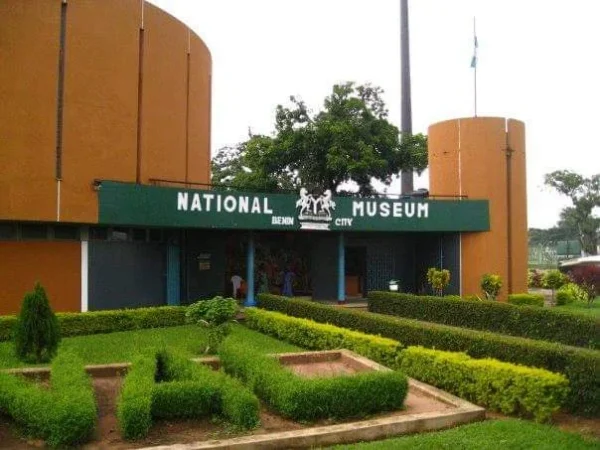
Situated in the heart of Benin City, this museum is famed for its collection of Benin Bronzes, ivory carvings, and royal regalia that date back to the Benin Empire. The Benin City National Museum serves as a vital reminder of Nigeria’s imperial past and the skilled craftsmanship of its people. It’s a must-visit for anyone interested in pre-colonial African history and art.
3. Yoruba Cultural Centre, Ile-Ife, Osun State
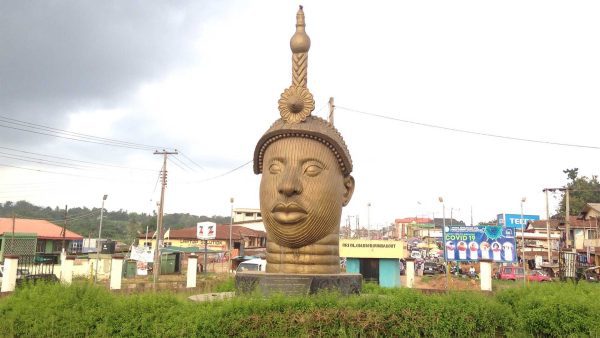
Often referred to as the spiritual homeland of the Yoruba people, Ile-Ife is home to the Yoruba Cultural Centre, where the history, language, traditions, and religion of the Yoruba are preserved and celebrated. Visitors can explore Yoruba mythology, Ifa divination systems, traditional music, and sacred art. The center frequently hosts cultural festivals and lectures.
4. Jos Museum Complex, Plateau State
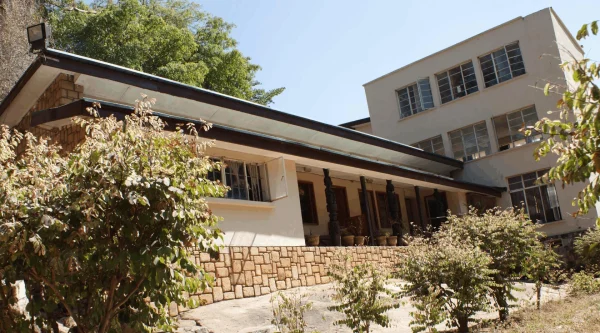
Established in 1952, the Jos Museum is one of the oldest in West Africa. It features rich collections of Nok terracotta sculptures, pottery, traditional textiles, and musical instruments. The museum complex also houses a pottery center, zoo, and a museum of traditional Nigerian architecture, making it a multifaceted cultural hub.
5. Gidan Makama Museum, Kano State
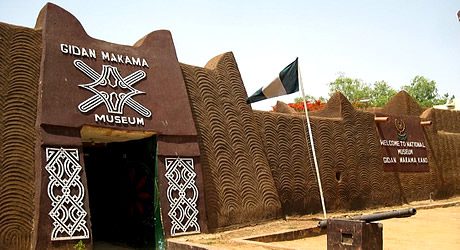
Gidan Makama, located in a 15th-century building in Kano, is both a museum and a historical site. It contains 11 galleries showcasing Kano’s royal history, Hausa cultural artifacts, traditional dress, and architectural displays. The museum’s architecture alone, with its traditional Hausa design, is a cultural treasure.
6. National Museum, Cross River State
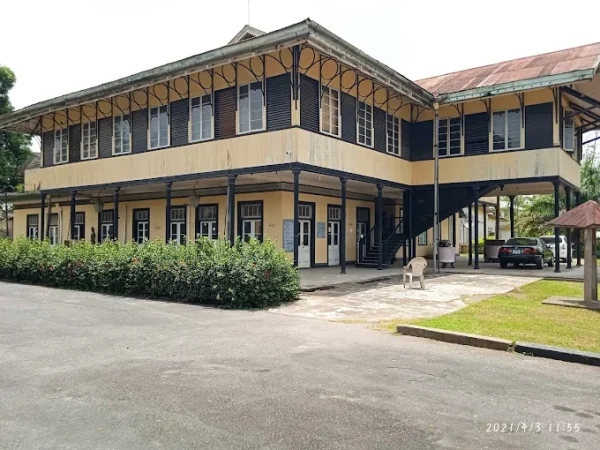
Situated in Calabar, this museum is housed in the former British colonial governor’s house. It offers exhibits on the slave trade, Efik culture, and colonial history. Its strategic location along the Cross River provides a somber but insightful look into the transatlantic slave trade and the resilience of the Nigerian people.
7. JK Randle Centre for Yorùbá Culture & History, Lagos State
View this post on Instagram
Located in Onikan, Lagos, the JK Randle Centre is a state-of-the-art facility dedicated to preserving and promoting Yoruba culture. It features digital exhibitions, art galleries, performance spaces, and educational programs. Opened in recent years, the center has quickly become a leading space for cultural education and contemporary dialogue about Yoruba heritage.
Why Visit Museums and Cultural Centers in Nigeria?
-
Discover Nigeria’s Diverse History: From ancient empires to colonial resistance, these museums tell stories you won’t find in textbooks.
-
Experience Living Culture: Many cultural centers host festivals, traditional performances, and artisan workshops.
-
Educational and Photogenic: These places offer fantastic photo opportunities and insightful information for students and travelers.
-
Support Cultural Preservation: Your visit helps promote the conservation of cultural heritage for future generations.
Frequently Asked Questions About Museums and Cultural Centers in Nigeria
1. What is the most famous museum in Nigeria?
The National Museum in Lagos is often considered the most famous due to its vast collection of artifacts, including the Nok Terracottas and the Benin Bronzes. However, other prominent museums include the Benin City National Museum and Jos Museum.
2. Are Nigerian museums open to the public daily?
Most national museums and cultural centers are open Monday to Saturday from 9 AM to 4 PM, but it’s advisable to confirm specific opening hours before visiting, especially on public holidays.
3. Is there an entrance fee for museums in Nigeria?
Yes, most museums charge a small entrance fee ranging from ₦200 to ₦1,000 depending on the location and type of exhibition. Special exhibitions or guided tours may have additional fees.
4. Are Nigerian museums child-friendly?
Yes, many museums in Nigeria are family-friendly and offer educational tours, art workshops, and cultural exhibitions suitable for children and young students.
5. Can I take photographs inside the museums?
Photography policies vary by museum. Some allow photography in designated areas, while others restrict it entirely or charge a camera fee. Always ask for permission at the entrance.
Final Thoughts
Nigeria’s museums and cultural centers are more than repositories of the past, they are vibrant spaces for learning, celebration, and national pride.

Leave a Reply