
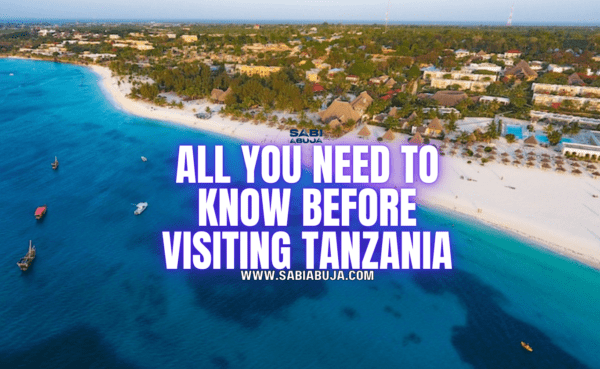
Planning a trip to Tanzania is exciting, this East African country is one of the most rewarding travel destinations in the world. From the vast plains of the Serengeti to the white sand beaches of Zanzibar, Tanzania offers a mix of wildlife, culture, adventure, and relaxation.
Before you pack your bags, here is everything you need to know to make your Tanzania trip smooth and unforgettable.
1. Where Is Tanzania Located?
Tanzania is in East Africa, bordered by Kenya and Uganda to the north, Rwanda, Burundi, and the Democratic Republic of the Congo to the west, and Zambia, Malawi, and Mozambique to the south. The Indian Ocean lies to the east, giving Tanzania its beautiful coastline and tropical islands like Zanzibar and Mafia.
2. Visa and Entry Requirements
Most travelers need a visa to enter Tanzania.
Key points
-
Many nationalities can get a visa on arrival at major airports and border crossings
-
You can also apply online through Tanzania’s official e-visa system before traveling
-
Your passport should be valid for at least six months from your date of entry
-
You may be asked to show a return ticket and proof of accommodation
Always check the latest visa rules with the Tanzanian embassy or official immigration website before your trip.
3. Best Time to Visit Tanzania
Tanzania can be visited year-round, but your experience depends on what you want to do.
Dry season, June to October: This is the best time for safaris. Wildlife is easier to spot because animals gather around water sources, and the weather is cooler and less humid.
Green season, November to May: This period has more rain, especially March to May, but landscapes are lush and beautiful. It is also a great time for birdwatching and fewer crowds in parks.
Best time for Zanzibar beaches: June to October and December to February are ideal for sunny beach weather.
4. Health and Vaccinations
Health preparation is important before visiting Tanzania.
Recommended precautions
-
Yellow fever vaccination may be required if you are arriving from a country where yellow fever is present
-
Malaria is common, so talk to your doctor about anti-malarial medication
-
Pack insect repellent, sunscreen, and basic medications
-
Drink bottled or purified water instead of tap water
Travel insurance that covers medical emergencies and evacuation is strongly recommended, especially if you plan to climb Mount Kilimanjaro or go on safari in remote areas.
5. Currency and Money Tips
The local currency is the Tanzanian Shilling, TZS.
Money tips
-
Cash is widely used, especially outside major cities
-
US dollars are often accepted in hotels, safari lodges, and tour companies
-
Bring newer US dollar bills, printed after 2009, as older notes may be rejected
-
ATMs are available in cities like Dar es Salaam, Arusha, and Zanzibar Town
-
Credit cards are accepted in higher-end hotels, but usually with an extra fee
Always carry small notes for tips, local transport, and small purchases.
6. Language and Communication
The official languages are Swahili and English.
-
Swahili is the national language and widely spoken
-
English is commonly used in tourism, hotels, and business
-
Learning a few Swahili words like Jambo (hello) and Asante (thank you) is appreciated by locals
SIM cards with data are affordable and available at airports and in major towns, making it easy to stay connected.
7. Getting Around Tanzania
Transport options vary depending on your destination.
Domestic flights: The fastest way to travel between safari parks, cities, and islands like Zanzibar.
Safari vehicles: Most national park travel is done in 4×4 safari vehicles with a guide.
Buses and minibuses: Budget-friendly but can be crowded and less comfortable for long distances.
Taxis and ride services: Available in major cities, always agree on a fare in advance if there is no meter.
8. Safety Tips for Travelers
Tanzania is generally safe for tourists, especially in national parks and resort areas, but basic precautions are important.
-
Avoid walking alone at night in big cities
-
Keep valuables out of sight
-
Use registered guides and tour operators for safaris and treks
-
Follow park rules during safaris and listen to your guide at all times
Petty theft can happen in crowded urban areas, so stay alert.
9. Cultural Etiquette and Local Customs
Tanzanians are known for being warm and welcoming.
Cultural tips
-
Dress modestly in towns and villages, especially in Zanzibar, which has a strong Muslim culture
-
Ask permission before taking photos of people
-
Public displays of affection are not common
-
Greetings are important, take time to say hello before starting a conversation
Respecting local customs will make your experience more meaningful.
10. What to Pack for Tanzania
Your packing list depends on your activities.
For safaris
-
Neutral-colored clothing
-
Hat, sunglasses, and sunscreen
-
Binoculars and a camera
For Zanzibar and the coast
-
Light clothing
-
Swimwear
-
Sandals
For Mount Kilimanjaro
-
Proper hiking boots
-
Warm layers for cold summit temperatures
-
Rain gear
A universal power adapter is also useful, Tanzania uses Type D and G plugs.
11. Top Experiences You Should Not Miss
-
Witnessing the Great Migration in the Serengeti
-
Exploring the Ngorongoro Crater
-
Relaxing on Zanzibar’s beaches
-
Climbing or viewing Mount Kilimanjaro
-
Visiting Maasai villages and learning about local culture
Frequently Asked Questions About Visiting Tanzania
1. Do I need a visa to visit Tanzania?
Yes, most travelers need a visa to enter Tanzania. Many nationalities can get a visa on arrival, while others can apply online through the official Tanzania e-visa portal before traveling.
2. What is the best time to visit Tanzania?
The best time to visit Tanzania is during the dry season from June to October, especially for wildlife safaris. For beach holidays in Zanzibar, June to October and December to February offer the best weather.
3. Is Tanzania safe for tourists?
Tanzania is generally safe for tourists, particularly in national parks and major tourist areas. Visitors should still follow basic safety precautions such as avoiding isolated areas at night and keeping valuables secure.
4. What currency is used in Tanzania?
The official currency is the Tanzanian Shilling, TZS. US dollars are also widely accepted in hotels, safari lodges, and by tour operators, but it is useful to carry local currency for small purchases.
5. Do people speak English in Tanzania?
Yes, English is widely spoken in the tourism industry, hotels, and major cities. Swahili is the national language, and learning a few basic phrases is appreciated by locals.
6. What vaccinations do I need for Tanzania?
A yellow fever vaccination may be required if you are traveling from a country where yellow fever is present. Malaria is common, so travelers should take preventive measures and consult a healthcare provider before the trip.
7. Can I drink tap water in Tanzania?
It is not recommended to drink tap water in Tanzania. Stick to bottled or properly purified water to avoid stomach illnesses.
Final Thoughts
Tanzania is a country of incredible contrasts, wild savannahs, towering mountains, tropical islands, and vibrant cultures all in one destination. With the right preparation, your trip can be both smooth and life-changing.
Leave a Reply