
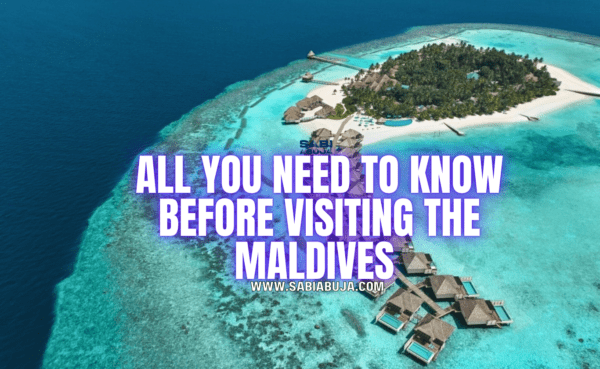
The Maldives is the definition of a dream tropical escape. Picture overwater villas, crystal-clear lagoons, white sand beaches, and endless Indian Ocean views. But before you book that seaplane transfer and pack your swimwear, there are important travel details to know that can make your trip smoother, cheaper, and more enjoyable.
Here is everything you need to know before visiting the Maldives in 2026.
1. Where Is the Maldives and What Makes It Unique
The Maldives is a country made up of 1,000+ coral islands grouped into 26 atolls in the Indian Ocean, southwest of Sri Lanka and India.
What makes it different from many other destinations is that:
-
Many resorts are located on their own private islands
-
You usually stay on one island for your entire trip
-
Transfers to resorts often involve speedboats or seaplanes
The result is privacy, exclusivity, and some of the most beautiful marine life in the world.
2. Best Time to Visit the Maldives
The Maldives is warm year-round, but weather affects sea conditions and prices.
Dry Season (Best Time)
November to April
-
Sunny days and calmer seas
-
Best for snorkeling, diving, and beach time
-
Higher prices and more demand
Wet Season (Lower Prices)
May to October
-
More rain and cloud cover
-
Stronger winds, but still plenty of sunshine between showers
-
Great deals on luxury resorts
Even in the rainy season, rain often comes in short bursts rather than all day.
3. Entry Requirements and Travel Rules
The Maldives is visa-friendly for tourists.
Visa
Tourists from most countries receive a free 30-day visa on arrival.
You Must Have
-
A passport valid for at least 6 months
-
Proof of hotel booking or resort reservation
-
A return or onward ticket
-
Enough funds to cover your stay
Always check for any updated health or travel forms before departure.
4. Resort Islands vs Local Islands
This is one of the most important things to understand before you go.
Resort Islands
-
One resort occupies the entire island
-
Alcohol is allowed
-
Bikinis and swimwear are fine everywhere on the island
-
More privacy and luxury
-
Higher prices
Local Islands
-
Inhabited by Maldivian communities
-
More affordable guesthouses and hotels
-
Alcohol is not allowed (except on special excursion boats)
-
Modest dress is required outside designated “bikini beaches”
Both options are beautiful, but your experience will be very different.
5. Getting to Your Resort
After landing at Velana International Airport (Malé), you usually need another transfer.
Transfer Types
-
Speedboat – Used for resorts close to Malé, usually 20 minutes to 1 hour
-
Seaplane – Scenic but expensive, used for distant resorts
-
Domestic flight + boat – For some faraway atolls
These transfers are often arranged by the resort and can add a significant cost to your trip, so always check transfer fees before booking.
6. Top Things to Do in the Maldives
7. Food and Dining
Dining depends on where you stay.
Resort Dining
-
International buffets and fine dining restaurants
-
Seafood, Asian, European, and fusion cuisine
-
All-inclusive plans can help manage costs
Local Island Food
-
Maldivian dishes often include tuna, coconut, and rice
-
Try mas huni (tuna with coconut and onion) and garudhiya (fish soup)
Food and drinks at resorts can be expensive, so meal plans are worth considering.
8. Cultural Tips and Etiquette
The Maldives is a Muslim country, and local customs should be respected.
-
Dress modestly on local islands and in Malé
-
Public displays of affection are discouraged in local areas
-
Alcohol is only available on resort islands and licensed boats
-
Remove shoes before entering homes or some guesthouses
On resort islands, rules are much more relaxed for tourists.
9. Budgeting for a Maldives Trip
The Maldives has a reputation for luxury, but there are options for different budgets.
Typical Costs
-
Local guesthouse stay: more affordable than resorts
-
Mid-range resort: moderate to high cost
-
Luxury overwater villa: premium pricing
-
Seaplane transfers: often a major extra expense
-
Activities and excursions: add to your daily budget
Traveling in the low season and choosing local islands can significantly reduce costs.
10. Packing Essentials
Do not forget:
-
Reef-safe sunscreen
-
Lightweight, breathable clothes
-
Swimwear (multiple sets)
-
Snorkeling gear if you prefer your own
-
Waterproof phone pouch or dry bag
-
Flip-flops or sandals
High heels and heavy clothing are rarely needed.
Frequently Asked Questions About Visiting The Maldives
1. Do I need a visa to visit the Maldives?
Most travelers receive a free 30-day tourist visa on arrival, provided they meet entry requirements.
2. Is the Maldives only for honeymooners?
No. While it is popular for honeymoons, families, solo travelers, and groups also visit for diving, relaxation, and luxury experiences.
3. Is alcohol allowed in the Maldives?
Alcohol is available on resort islands but not allowed on local inhabited islands.
4. Is the Maldives expensive?
It can be, especially at luxury resorts. However, staying on local islands and traveling in the off-season can make it more affordable.
5. How long should I stay in the Maldives?
Most travelers stay between 4 and 7 nights, which allows time to relax and enjoy water activities.
Wrap Up
Planning a trip to the Maldives? Discover everything you need to know before you go, including best time to visit, resort vs local islands, travel tips, costs, activities, and essential advice for a perfect island escape.
Leave a Reply