
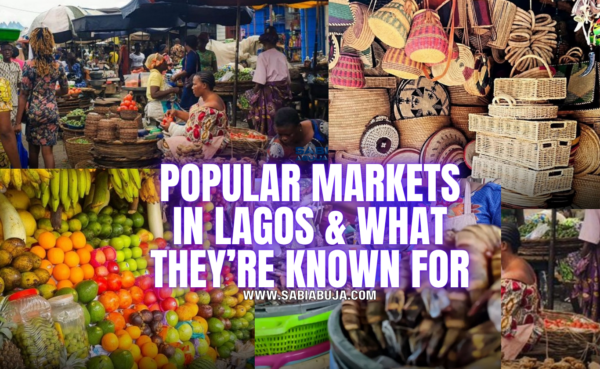
Lagos is a city of commerce, culture, and endless energy. Its markets are more than shopping destinations, they’re vibrant hubs where tradition meets modernity, offering everything from electronics to fresh produce and handmade crafts. Here’s an extensive guide to some of the most popular markets in Lagos and what makes each unique.
Popular Markets in Lagos
1. Alaba International Market – Electronics & Home Appliances
View this post on Instagram
Known as the go-to hub for electronics, Alaba International Market is where you’ll find everything from televisions and sound systems to home appliances. It’s bustling, competitive, and a key player in Nigeria’s tech trade.
2. Yaba Market (Tejuosho) – Thrift Clothes & Fabrics
View this post on Instagram
Tejuosho Market in Yaba is famous for thrift shopping. From affordable clothing to fabrics of all kinds, it’s a paradise for fashion lovers and bargain hunters.
3. Oyingbo Market – Foodstuffs
View this post on Instagram
One of Lagos’ oldest markets, Oyingbo is a lively hub for fresh produce, grains, and household essentials. It’s a one-stop shop for daily food needs, buzzing with vendors and shoppers.
4. Iyana Iba – Fruits
View this post on Instagram
Colorful and abundant, Iyana Iba is renowned for its fruit stalls. From bananas and pineapples to papayas and grapes, it’s a tropical feast for the senses.
5. Lekki Arts and Craft Market – Local Souvenirs & Crafts
View this post on Instagram
This market is a treasure trove of handmade goods, woven baskets, mats, jewelry, and art pieces. It’s the perfect spot for tourists and locals seeking authentic Nigerian craftsmanship.
6. Anuoluwapo Seafood Market – Seafood
View this post on Instagram
For seafood lovers, Anuoluwapo Market is the place to be. Fresh prawns, fish, and shellfish are sold in abundance, making it a vital hub for Lagos’ culinary scene.
7. Mile 12 Market – Foodstuffs
View this post on Instagram
Mile 12 is synonymous with wholesale food shopping. Tomatoes, peppers, onions, and other staples are sold in bulk, making it essential for restaurants, caterers, and households alike.
8. Computer Village – Phones & Gadgets
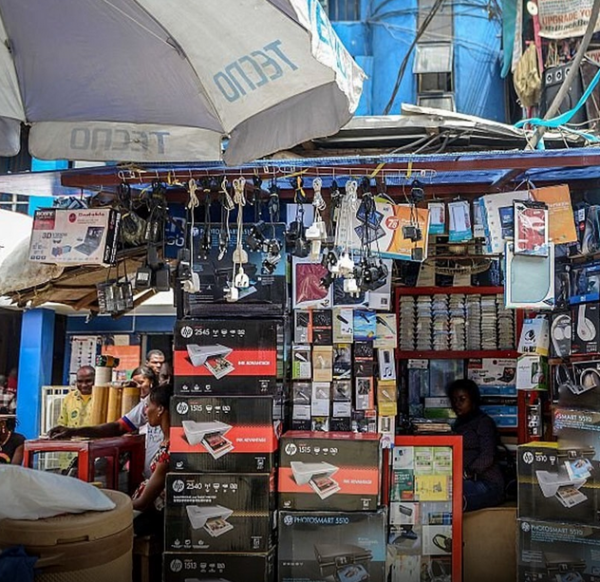
Located in Ikeja, Computer Village is Nigeria’s largest tech market. From smartphones and laptops to accessories and repairs, it’s the heartbeat of Lagos’ gadget trade.
Frequently Asked Question Popular Markets in Lagos 2026
1. What are the most famous markets in Lagos?
Some of the most popular include Alaba International Market (electronics), Tejuosho/Yaba Market (thrift clothes & fabrics), Oyingbo Market (foodstuffs), Mile 12 Market (wholesale produce), Computer Village (gadgets), and Lekki Arts & Craft Market (souvenirs).
2. Do these markets specialize in certain products?
Yes. Each market has its niche:
- Alaba International: Electronics & appliances
- Tejuosho/Yaba: Clothes & fabrics
- Oyingbo & Mile 12: Foodstuffs & produce
- Iyana Iba: Fruits
- Anuoluwapo Seafood: Seafood
- Lekki Arts & Craft: Handmade crafts & souvenirs
- Computer Village: Phones & gadgets
3. Are these markets safe for tourists?
They are popular and generally safe, but like any busy market, it’s best to stay alert, avoid carrying large amounts of cash, and keep valuables secure.
4. What’s the best time to visit?
- Morning: For fresh produce at Mile 12, Oyingbo, and Iyana Iba.
- Afternoon: For electronics at Alaba and Computer Village.
- Weekends: Lekki Arts & Craft Market is livelier with more vendors.
5. Do I need to bargain?
Yes, bargaining is part of the culture in Lagos markets. Prices are often negotiable, especially for clothes, foodstuffs, and crafts.
Final Thoughts
Lagos’ markets are more than places to shop, they’re cultural experiences. Whether you’re bargaining for electronics at Alaba, picking fabrics at Tejuosho, or soaking in the artistry at Lekki Arts and Craft Market, each destination tells a story of Lagos’ diversity and dynamism.

Leave a Reply